+971 50 634 3878 Sharjah, Dubai info@lifeguarddatarecovery.com
Raid Data Backup
Lifeguard Data Protection: Hey, You Still Need Backup Even with RAID. You know how important it is for everything to be running all the time, right? Whether you run a busy warehouse or just a small office, you need that continuous uptime. You probably already put money into RAID redundancy so your data stays safe if one hard drive suddenly dies. RAID data recovery UAE That gives you a nice sense of security. But honestly, only relying on RAID is a common, and very risky, mistake a lot of companies here in the UAE make. If you want your important data to truly survive, you need a dedicated backup plan that keeps data totally separate from the array. Here at Lifeguard Data Recovery, we do more than just fix broken stuff; we set up the best practices for RAID data backup to keep your business running smoothly, protecting you from the big disasters that simple redundancy just cannot handle.
Get a Free RAID Backup Strategy Consultation.
99.9% Data Guaranteed Safe | Our Engineers are Certified Backup Experts | Help is Available 24/7 | We’ve been helping UAE companies for over ten years.
Why Choose Lifeguard to Plan Your RAID Data Backup Strategy?
Picking the right partner to look after your data is seriously the most important decision for keeping your business going. You don’t just want a seller; you need a security friend who really gets the difference between a broken piece of hardware and damaged files. We provide that kind of smart, deep knowledge here at Lifeguard Data Protection. We are really good at building personalized, disaster-proof RAID array backup strategies for small businesses and huge corporations, too, making sure all your precious digital stuff is safe, easy to reach, and simple to restore. We’ve learned so much over the years, not just how to stop loss, but how to successfully get data back when the old backup plans didn’t work out. We are experts on the whole data journey, from setting up the initial safety nets all the way to rescuing data from total crashes.
We really understand the local business world, especially in busy places like Sharjah. Our services are made just for local needs, matching the specific rules and fast speed of the UAE market. We don’t just sell you something off the shelf. Nope. We look at what you need to do every day, check your current RAID levels and data protection setup, and think about where you want to grow. Then, we design a backup solution that can grow with you and that you can rely on. When you pick Lifeguard, you are picking a team that will work hard to keep your downtime super short and make your critical information as safe as possible.
Our Full RAID Data Backup Services
The way we protect data is more than just copying files. We set up layers of defense that follow the best global rules. We have all the services you could need to handle the complex demands of today’s digital storage world.
Understanding the Basics: What is RAID Backup vs RAID Redundancy?
A lot of people mix up redundancy with backup. RAID is just a hardware trick that makes things faster and helps you when one drive fails. It lets your system keep going while you swap out a bad drive. But listen up: RAID is not a backup solution. A real RAID data backup means taking all your files and copying them to a separate, completely isolated place. We explain these things clearly to our clients, helping them see clearly why you still need backups even with RAID arrays. We make sure your whole team knows the important difference: redundancy keeps the system running; backup keeps the data safe.
Making Your RAID Array Backup Strategy Just Right
Since every business is different, we carefully plan a custom-made RAID array backup strategy for small businesses and big guys, too. We start by checking your current RAID array, whether you use the lightning-fast RAID 0, the mirrored RAID 1, the popular RAID 5, or the balanced RAID 10. Then we use the famous 3-2-1 strategy: keep three copies of your data, on two different kinds of storage, with one copy kept somewhere else entirely (off-site). This layered safety plan guarantees that even if a huge accident happens at your main office, you won’t lose your important files forever.
Smart Data Protection and Disaster Recovery Plans
We help you get the most out of the advantages of RAID backup systems by making them part of a complete disaster recovery (DR) plan. This means setting up backups that happen automatically, are checked to make sure they work, and are locked up with encryption, sending them to remote storage, the cloud, or special physical appliances. We also use fancy things like data archiving and version control so that if somebody deletes a file by mistake, or a nasty ransomware virus locks your system, we can go back in time to the moment before the trouble started. Planning this deeply is key because simple RAID redundancy can’t fight against file errors or hacker attacks.
How Lifeguard Protects Your Data: Secure and Clear Service
We think protecting your files should be easy, step-by-step, and shouldn’t get in the way of your work. Our four-step plan is designed to be totally clear, and it keeps the impact on your everyday work to a minimum.
Step 1: Free Chat and Checking What You Need
It starts with a free talk, no pressure, where we look at your current storage setup, check your RAID levels and data protection system, and talk about how fast you need to get back up and running (RTO) and how much data loss you can handle (RPO). We ask all the important questions about how much your data is growing, what rules you have to follow, and your budget, to clearly figure out the job. This step helps us explain the difference between RAID vs regular backup that matters to your company. We also spot any weak spots in your current RAID data backup plan right away.
Step 2: Planning the Strategy and Designing the System
After we check everything, our certified engineers create a specific RAID array backup strategy for small businesses or enterprise use. We pick the right backup gear, the best software, and where to store the off-site copy. We give you a clear, fixed price quote and a detailed plan that shows the setup, how the encryption works, and when we will test everything. This plan makes sure we specifically fix the issues with your current RAID setup and ensures we avoid all the common RAID backup mistakes before they even happen.
Step 3: Setting It Up, Checking, and Testing It All
Once you give the green light, our team sets everything up securely and smoothly. We get the backup software running, establish secure links for off-site transfers, and set up the automated backup times. Most importantly, we do serious checks and fake recovery testing. This step confirms that every single backup file can be reached and restored, even when under real stress. We don’t say the system is ready until we have verified that a full data restore has worked perfectly.
Step 4: Watching, Managing, and 24/7 Help
Keeping data safe isn’t a one-time thing. Lifeguard constantly watches your backup jobs and checks on your RAID array health 24/7. Our support team is always ready to jump in for any problem, error, or if you need an emergency restore. We handle file versions, storage rotation, and regular data integrity checks, so you can relax knowing the experts are always managing your data protection.
Issues We Fix: Data Loss That RAID Redundancy Can’t Handle
A redundant RAID array is awesome for dealing with a broken drive, but it’s totally useless against a whole lot of other threats that are super common. Our RAID data backup solutions are built to fight the real dangers facing businesses today.
File Errors and Corruption
RAID basically works like a copier; it just mirrors the data across all drives. So, if a virus or a bad app writes corrupted files to the array, the RAID array simply copies the bad data, making the problem spread everywhere. This is a clear example of why you still need backups even with RAID arrays. We fix this by using backups that keep different versions, letting us restore the clean file from a time before the corruption happened.
Ransomware and Hacking Attacks
This is the biggest headache for companies now. Ransomware locks up every file it touches. Because RAID mirrors data, it just mirrors the locked files, leaving you completely locked out of everything. Our RAID data backup strategies make sure the backup copy is completely separate, or air-gapped. This means the ransomware cannot even reach and lock up the data we need to recover everything.
People Making Mistakes and Deleting Stuff
Your team is human; they make mistakes. Deleting a whole folder by accident, formatting the wrong drive, or a botched software update can wipe out tons of data in seconds. RAID cannot undo what a person does. Our backup solutions let us go back to a specific moment in time and restore just that one lost file without messing up the whole system. This really helps when it comes to human error.
Fires, Floods, and Site Disasters
No matter how much RAID redundancy you have, it won’t save your data if the entire server room gets destroyed by a fire, water damage, or electrical failure. Just having a local RAID array backup strategy isn’t enough. By adding a secure off-site backup, we protect your data from major physical disasters affecting your main location, which is something every business needs for total survival in the Sharjah area.
Costs and Pricing Insight: Clear and Honest Professional Data Backup Fees
The money you spend on a comprehensive RAID data backup solution is a smart investment in your business survival, not just a bill. We base our prices on how complicated your system is, not just pulling a number out of the air, so you always get clear and predictable pricing.
What Changes the Price?
Our fixed prices depend on three main things: Total Data Volume (how much stuff needs copying); Required RPO/RTO (how quickly you need to be working again and how much loss is acceptable); and Media Type (do we use simple external drives, cloud storage, or big tape libraries?). We always show you a simple breakdown to explain the advantages of RAID backup systems that fit exactly what you need.
The Real Cost of Doing Nothing
When you think about the price, imagine the worst-case scenario. A big data loss can cost hundreds of thousands of Dirhams, plus all the revenue you lose, the damage to your name, and any fines you might get. Investing in a professional RAID array backup strategy for a small business with Lifeguard is the best insurance you can buy, making sure you never face the financial disaster of long downtime or files that are gone forever.
No Data, No Fee Promise on Recovery
We are focused on stopping problems, but if a current array breaks, we stand by our No Data, No Fee promise for our data recovery in Sharjah services. This promise means you don’t risk any money when you’re facing a potential loss, showing how confident we are that we can get your data back, even from the toughest situations.
Essential Advice: How to Stop Those Common RAID Backup Mistakes
A good RAID data backup plan only works if you do it right and keep it going. After years of looking at failed systems, we know the biggest problems companies run into.
Common RAID Backup Mistakes People Make
The worst mistake is thinking that RAID is a backup. This bad idea leads straight to data loss when something goes wrong. Another serious slip-up is never testing your recovery. So many businesses only find out their backups are broken after they need them. Our best advice is easy: Test often, and test properly.
The 3-2-1 Rule: Your Must-Follow Guide
We really, really push all our clients to use the 3-2-1 backup rule: Keep three copies of your data (the live data and two backups); use two different types of media (like a local drive and the cloud or tape); and keep one copy far away (off-site). This simple rule handles all the big problems-hardware, site failure, and broken media-and guarantees you get the most advantages of RAID backup systems.
Keep an Eye on Your RAID Array Health
Don’t ignore those little beeps or alerts your RAID controller gives you. Seeing a drive start to fail early is your chance to safely replace it before another drive breaks, which could take down your whole array, no matter the RAID level. Checking it regularly isn’t an option; it’s a must-do part of a responsible data plan.
Why Lifeguard is the Best Choice for Data Protection in the UAE
Everyone knows we are the top data protection and recovery service in the UAE because we have two types of experts, and we always put the client first.
We Are Technically Unbeatable
We don’t just understand how to do backup; we are the best data recovery experts in Sharjah. This means we know exactly why backups fail and how to build a plan that is actually unbreakable. Our knowledge of RAID levels and data protection isn’t just from books; it comes from successfully getting back data from thousands of broken arrays of all types (RAID 0, 1, 5, 6, 10). We use this real, high-pressure experience in all your prevention planning.
We Are Local, But We Follow Global Rules
Because we work right here in the UAE, we can respond super fast and have the local knowledge that the Sharjah business community needs. All our data handling follows the strictest international security rules. Your private information is kept on totally separate, secure networks, and we sign a serious Non-Disclosure Agreement (NDA) for every job, so everything stays completely confidential.
We Handle Everything for You
Whether you need a full data recovery from a broken RAID 5 array or advice on setting up a new RAID array backup strategy for a small business, we are the only company you need to call. We offer consultation, setup, monitoring, and, if the very worst happens, world-class recovery services. Having one company handle it all means everything runs smoothly, and we are fully accountable to you.
Success Stories: We Build Trust by Keeping Businesses Running
Our history shows exactly what we can do. We’ve helped so many businesses in the Northern Emirates avoid huge data losses because of our smart planning and fast help.
Case Scenario 1: The Warehouse Server Died
A big logistics client in Sharjah had their main controller fail, taking down their RAID 5 array. Even though two drives were fine, the file system was damaged. Their simple backup to an external drive had been quietly failing for three weeks—a classic common RAID backup mistake. We successfully got their data back from the off-site, cloud copy we set up—part of the 3-2-1 plan-and had their most important operations running again in only 12 hours. This really proves the advantages of RAID backup systems when they’re checked properly.
Case Scenario 2: The Ransomware H
A company providing financial services got hit by a nasty ransomware attack that locked up their whole RAID 10 system. Because the RAID array just mirrored the locked files, they couldn’t get into anything. But our special air-gapped backup solution was totally safe. We used the clean data from that isolated backup to bring their whole system back in just 48 hours, showing exactly why you still need backups even with RAID arrays to fight hackers. That quick recovery saved them a massive amount of money, and they didn’t have to pay the ransom.
Frequently Asked Questions (FAQ)
Q: Does RAID count as a backup? A: No, absolutely not. RAID is not a backup solution; it’s a way to keep things running. It saves you from a drive failure but gives you no protection against things like ransomware, file errors, accidental deletion, or a fire. A real RAID data backup must be stored on something else, and kept far away from your office.
Q: Which RAID level is best for backup servers? A: While all the RAID levels and data protection choices have trade-offs, RAID 6 is often suggested for big backup servers because it can handle two drives breaking at the same time. That’s safer than the usual RAID 5. If you need things to be super fast and reliable, RAID 10 is also a great choice.
Q: How often should I test my recovery process? A: We tell people to do a full test recovery at least four times a year or any time you change something major on your network. This helps you avoid those common RAID backup mistakes and makes sure your backup files are not broken and can actually be used.
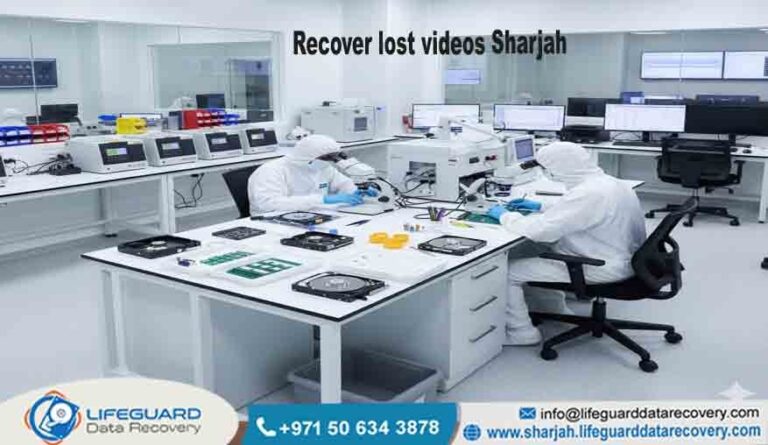
Q: Can you help us with Data Recovery in Sharjah if our RAID array has already failed? A: Yes, we can! As the best data recovery in Sharjah experts, our main job is rescuing data from totally broken RAID arrays (RAID 0, 1, 5, 6, 10). We have special tools and cleanroom labs to deal with complicated corruption, and when multiple drives fail. We can often get the data back even when other places couldn’t.
Q: What are the biggest advantages of RAID backup systems you guys offer? A: The main thing is that we mix the 3-2-1 rule with constant checking. We use specialized stuff to run and test backups every single day, guaranteeing that when you need your data, it’s definitely clean, ready to restore, and you can get it back fast.
Contact Lifeguard Data Protection: Your Secure Data Lifeline
Don’t wait until something bad happens, like a system crash or ransomware, to face the huge problem of not having enough data protection. The time to secure your files is right now. Trust the experts who actually know the difference between simple RAID redundancy and a strong RAID data backup strategy.
We are all set to plan, build, and manage the super-safe data protection plan your business really needs.
Get Your Free RAID Backup Strategy Consultation Today.
Just contact our Lifeguard data recovery service Team to chat with a certified engineer and make your digital files safe.

Contact us : +971 50 634 3878