+971 50 634 3878 Sharjah, Dubai info@lifeguarddatarecovery.com
Smart Media data recovery
Losing critical files from a legacy SmartMedia memory card can be an incredibly stressful experience. One moment, your vintage studio audio tracks, historical project documents, or high-resolution photos are accessible; the next, an unexpected card corruption or accidental deletion leaves you with an unreadable drive. Whether you are a LifeGuard Data Recovery
professional photographer working with classic digital camera equipment, an archive specialist preserving media history, or an enterprise manager dealing with legacy hardware files, sudden data loss can bring your day to an abrupt halt At Lifeguard Data Recovery, we understand that older media formats require specialized
engineering. We know that your data isn’t just bytes on a chip it represents irreplaceable corporate intelligence and priceless history. That is why our UAE-based laboratories specialize in professional SmartMedia data recovery, helping you retrieve your files safely, quickly, and with total security. Using lab-grade extraction technology and decades of forensic experience, we successfully restore files from all generations and brands of
SmartMedia storage, regardless of their logical or physical condition.
Why Choose Lifeguard Data Recovery in the UAE?
When dealing with discontinued storage architectures like SmartMedia, choosing the right recovery provider determines whether your data is salvaged or permanently lost. General IT repair shops lack the hardware readers and direct memory-chip access equipment needed to interact with these vintage flash architectures.
Businesses and creative professionals across Dubai, Sharjah, and the wider UAE trust Lifeguard Data Recovery for several clear reasons:
95%+ Recovery Success Rate: Our forensic engineers have successfully salvaged thousands of legacy storage devices, recovering vital images, proprietary video streams, audio samples, and databases.
Specialized Legacy Technicians: We retain deep expertise in older file allocation tables (such as FAT12 and FAT16) and vintage camera directory layouts used by heritage brands like Olympus, Fujifilm, and Segasonic.
Forensic Lab Environment: For physically or electronically broken cards, we use state-of-the-art diagnostic suites to bypass failed components and access storage media directly.
Confidential and Secure Protocols: Your data privacy is guaranteed. From initial evaluation to final delivery, your sensitive commercial data and private media are protected under strict, legally binding confidentiality controls.
Fast Operational Turnaround: Most standard SmartMedia file extractions are finalized within 1 to 3 business days, keeping your projects and operational timelines on track.
Understanding SmartMedia Architecture and Common Causes of Failure
Introduced in the mid-1990s as a compact alternative to CompactFlash, SmartMedia cards are unique because they lack an internal controller chip. They consist of a raw NAND flash memory module embedded in an ultra-thin plastic shell, relying entirely on the host camera, synthesizer, or card reader to manage the file system. While this design made the cards sleek and affordable at the time, it also makes them exceptionally vulnerable to data corruption and physical structural damage.
Understanding how these cards fail is essential for preventing permanent data erasure:
Logical Corruption and File System Collapse
Since the card lacks an on-board controller, pulling a SmartMedia card out of a device while it is actively reading or writing will instantly corrupt the file system.
Physical Wear and Damaged Gold Contact Pads
SmartMedia cards feature large, exposed gold contact pads directly on the exterior shell. These pads are vulnerable to static electricity, surface scratches, and oil buildup from handling. Furthermore, because the cards are only 0.76mm thick, they bend easily, which can fracture the internal bonding wires connecting the gold contacts to the underlying NAND flash silicon.
Malware and Cross-Platform Corruption
Plugging an older card into a modern operating system via an unshielded generic USB multi-reader can expose the file structure to modern malware or cause a mismatch in write protocols. This can cause the OS to write modern metadata over legacy directory tables, corrupting the underlying partition.
Basic Preliminary Step
Before assuming the card is completely dead, check for simple external connection issues. Gently clean the external gold pads with a dry microfiber cloth to remove dust or fingerprints. Test the card inside a different compatible camera or a known high-quality legacy card reader. In some instances, simple drive-letter conflicts within Windows or macOS disk utilities can hide a healthy volume.
When to Seek Certified Lab Support
If your card displays a persistent “Format Card” message, fails to mount across multiple systems, or is physically cracked or warped, stop using it immediately. Repeatedly inserting a failing or shorted flash card into power sources can overheat the internal flash memory die, causing permanent, irreversible data erasure. In these scenarios, professional lab recovery is required to safely read the storage chips.
Systematic SmartMedia Recovery Process at Lifeguard
We follow a strict, non-destructive seven-step process to ensure data safety and maximize extraction success for every legacy memory card that enters our Dubai or Sharjah centers:
Comprehensive File Formats We Restore
Our extraction procedures handle all variations of digital file types stored on SmartMedia cards, including:
Digital Photographs: High-resolution JPEG, TIFF, PNG, and camera-specific RAW images (such as early Olympus .ORF or Fujifilm .RAF formats).
Video Media: Classic broadcast and consumer video structures, including AVI, MOV, and MP4 multimedia streams.
Audio and Studio Sequences: WAV, MP3, and raw MIDI sequencing data used in vintage audio hardware samplers and music synthesizers.
Business Records: Essential operational office documents, including PDFs, Microsoft Word documents, and core Excel financial spreadsheets.
Professional Recovery Software vs. Certified Lab Interventions
Minor Logical Recovery Using Disk Drill
Disk Drill can be an effective first step
Photographers value its advanced camera recovery options, which can reconstruct fragmented image data. When attempting a software-level recovery, we always recommend creating a “Byte-to-Byte” backup image of the card first. Running scans on the duplicate image protects the aging memory card from unnecessary read wear At
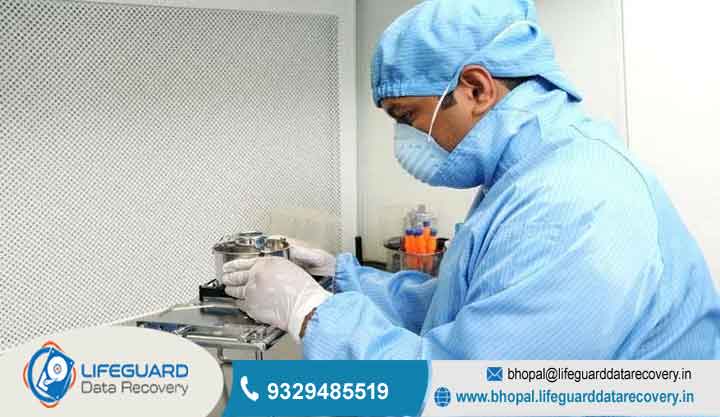
Lifeguard Data Recovery, our ISO-certified laboratories specialize in Chip-Off Data Recovery. Our engineers carefully desolder or isolate the raw NAND flash storage wafer from the thin plastic shell, bypassing the broken gold pad lines entirely. We place the raw chip into a specialized physical socket reader to read the hex dump directly
from the silicon cells, using complex mathematical algorithms to manually rebuild your files.
Transparent Pricing Matrix & No-Risk Policy in the UAE
We believe in keeping our data recovery services straightforward and transparent, ensuring you can make informed decisions about your digital investments.
Price Determined by Severity
Our pricing is based strictly on the complexity of the technical failure, never on the amount of data stored or the size of your files:
Logical Tier: Covers accidental formatting, deleted documents, or file system errors where the card is fully functional electronically. This is our most cost-effective tier.
This tier reflects the specialized cleanroom resources and forensic equipment used.
No Data, No Charge Guarantee
To ensure a zero-risk experience for our customers, we operate on a strict No Data, No Fee Policy. If our engineering team is unable to extract the critical target files you need, you pay absolutely nothing for the recovery attempt. This reflects our absolute commitment to delivering successful results.
Crucial Tips to Prevent SmartMedia Data Loss
Format Exclusively In-Camera: Avoid formatting your SmartMedia card using a computer’s native utility. Windows and macOS write generic directory patterns that can conflict with the strict file management structures used by vintage cameras or audio gear, leading to recognition errors.
Always store loose cards inside anti-static plastic cases to protect them from dust, moisture, and bending forces.
Stop Using the Device Instantly After Deletion: If you realize you have accidentally deleted an important file, do not take another photograph or save another file to that card. Older systems immediately overwrite deleted data tracks with new files, making future recovery impossible.
Maintain a 3-2-1 Backup Strategy: Regularly migrate your legacy archives onto modern external SSDs and secure cloud accounts to ensure a hardware failure never results in a permanent loss of data.
Frequently Asked Questions (FAQs)
Q: My SmartMedia card is bent and cracked. Can my files still be saved?
Yes, in most cases.
Q: How long does the SmartMedia card data extraction process take?
Standard logical extractions and file carving are typically completed within 1 to 3 business days. Complex cases involving physical fracture, deep electronic shorts, or rare legacy hardware configurations can take 4 to 7 business days. Emergency, around-the-clock priority processing is available for time-sensitive corporate workflows.
Q: Is it safe to try multiple free data recovery programs at home?
Software utilities are only safe for completely stable cards suffering from simple, accidental file deletion.
Q: Do you support legacy SmartMedia cards from discontinued 1990s hardware?
Yes. Our engineering lab maintains an extensive archive of legacy hardware readers, vintage cameras, and specialized digital audio equipment, allowing us to accurately replicate and verify the unique file paths used by vintage electronics.
Contact Lifeguard’s Dedicated SmartMedia Specialists Today
Do not risk your critical business records or irreplaceable creative history with unverified DIY software or general computer repair shops. Trust the proven experience, specialized tools, and transparent guarantees of the UAE’s premier data recovery laboratory.
Visit our service centers in Dubai or Sharjah, or contact our diagnostic desk today to arrange a secure evaluation of your media

Contact us : +971 50 634 3878