+971 50 634 3878 Sharjah, Dubai info@lifeguarddatarecovery.com
NAS data recovery UAE
In the modern digital infrastructure of the UAE, Network-Attached Storage (NAS) networks from leading brands like Synology, QNAP, and Western Digital My Cloud serve as the primary storage engines for both corporate enterprises and data-intensive households. From critical business accounting ledgers and large-scale client project repositories to massive multi-terabyte family photo archives and system backups, all of it lives on a unified network volume.
Because of this centralized architecture, a sudden NAS breakdown is never a minor issue. When a complex multi-disk RAID array drops offline, a hardware controller circuit shorts out, or a ransomware attack encrypts your shared storage pools overnight, daily workflows immediately freeze. In these high-pressure scenarios, guessing with automated utilities or forcing an unverified array rebuild can permanently ruin your storage volume. Lifeguard Data Recovery
As the UAE’s premier data logistics laboratory, Lifeguard Data Recovery delivers forensic, lab-grade NAS data recovery services across Dubai, Abu Dhabi, and Sharjah. Operating with over a decade of direct, hands-on experience in enterprise storage forensics, our elite engineering team operates 24/7 to bypass hardware barriers, reconstruct broken file systems, and return your vital assets safely.
Why Professional NAS Recovery Requires Specialized Expertise
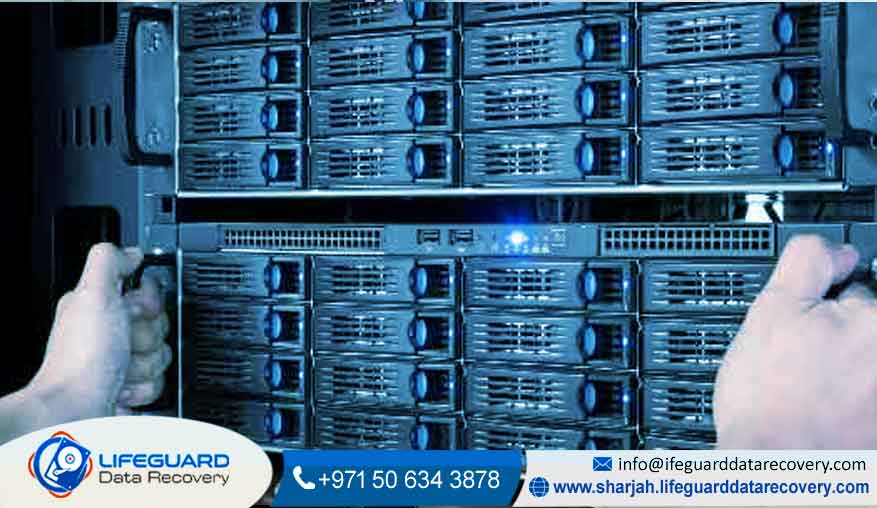
A Network-Attached Storage device is far more complex than a standard external hard drive. A typical NAS functions as an independent file server running a specialized Linux-based operating system that manages intricate multi-drive storage pools. These drives are bound together using advanced software RAID frameworks and modern, non-standard file architectures like EXT4 or Btrfs.
When a single variable in this layout fails, it impacts the entire logical structure. The most common cause of permanent data destruction is an incorrect or forced RAID rebuild process initiated by an internal IT administrator after a drive drops offline. If an unstable or desynchronized drive is introduced during a rebuild, the array parity maps are corrupted, scrambling the underlying files.
Our specialized lab engineers understand these structural interactions perfectly. We never experiment on your original media. Instead, we use dedicated hardware write-blockers to extract sector-by-sector binary duplicates of every single disk in your NAS, performing all file reconstructions on virtual twins to ensure your original equipment remains protected.
Technical Advantages: Why UAE Businesses Choose Lifeguard
Partnering with the right data recovery lab determines whether your business recovers gracefully or faces devastating operational downtime. Lifeguard stands out across the UAE by combining global laboratory standards with reliable local engineering:
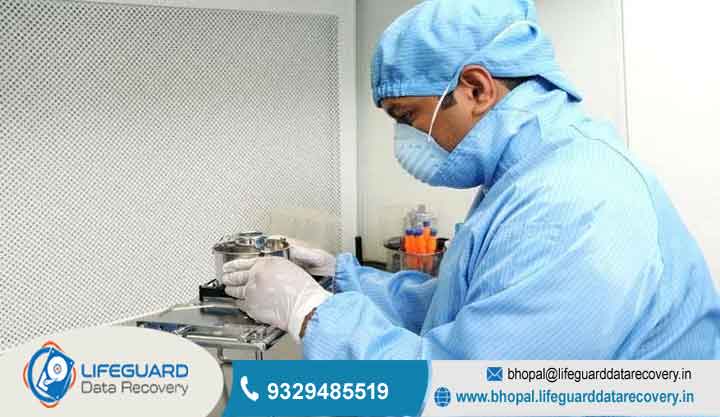
Certified ISO Class 5 Cleanroom Laboratory: When internal mechanical components (such as actuator heads or spindle bearings) fail inside your NAS hard drives, the physical recovery must occur in a particle-free space. Our certified cleanroom prevents microscopic airborne dust from scratching the spinning platters.
Industry-Leading 95%+ Success Rate: Over the last decade, our forensic technicians have successfully rebuilt thousands of complex, nested arrays that local IT departments had written off as unrecoverable.
Absolute Privacy Compliance (NDAs): We regularly handle highly confidential datasets for government authorities, financial institutions, and corporate enterprises across Abu Dhabi and Dubai. All extraction routines occur on offline networks, and we back our services with legally binding Non-Disclosure Agreements (NDAs).
True No Data, No Fee Risk Protection: We operate with total transparency. If our engineers are unable to retrieve the target files you specify after an exhaustive laboratory attempt, you pay absolutely nothing for our recovery execution labor.
Common Root Causes of NAS Storage Failure
NAS arrays are vulnerable to a unique mix of physical, electrical, and logical failure vectors:
1. Multi-Drive Hardware Breakdown
Because NAS units operate continuously for years, hard drives often reach their mechanical fatigue limit at similar times. If more than one drive experiences a physical head crash or sector degradation simultaneously in a RAID 5 setup, the volume drops offline immediately.
2. Controller Circuitry & Power Surge Crises
An unexpected power surge or local electrical instability can burn out the main motherboard controller of your NAS device. While the hard drives themselves may remain undamaged, the data cannot be accessed without the unique controller configuration keys.
3. Malware, Ransomware, and Logical Overwrites
Modern ransomware strains actively target network storage volumes connected to local office groups, encrypting entire shared storage blocks. Our engineers use advanced data-carving tools to locate unencrypted file snapshots and historical shadows hidden deep within raw storage sectors.
4. Broken Network Configurations and Firmware Corruption
A corrupted firmware upgrade can cause the NAS operating system to lose track of its internal RAID configuration maps. When this occurs, the device may report itself as “unformatted” or prompt you to configure a brand-new storage pool, which would overwrite the existing data.
Comprehensive Platform and Configuration Support
Our laboratory houses a massive physical inventory of donor parts alongside custom extraction utilities developed specifically to interface with unique NAS operating setups
Our Secure 4-Step NAS Restoration Pipeline
We keep our workflow highly systematic, transparent, and structured to give you complete confidence from intake to delivery:
24/7 Urgent Emergency Services Across the UAE
For high-priority enterprise failures where prolonged downtime is causing immediate financial and operational damage, Lifeguard provides dedicated Emergency NAS Data Recovery Services.
Available 24 hours a day, 7 days a week, including weekends and public holidays, this premium response pathway assigns a senior forensic engineering team to work on your case continuously until recovery is complete.
Frequently Asked Questions (FAQs)
Q: How long does a standard NAS data recovery case take?
For most typical logical corruptions, minor file errors, or single-drive errors, the entire extraction and reassembly process takes between 1 to 3 business days. If the NAS system has suffered extensive physical mechanical failure across multiple drives or requires intensive chip-level micro-soldering, the process can take longer. We always provide an exact timeline immediately after our initial evaluation.
Q: Can you recover data from an encrypted NAS storage array?
Yes. Modern Synology and QNAP systems often implement hardware or folder-level encryption (such as AES-256).
Q: What should I do immediately if my NAS displays a “RAID Degraded” or “Disk Failure” alert?
Power off the entire NAS unit immediately. Do not attempt to run software utilities, do not restart the device, and do not insert a random replacement drive to trigger a rebuild without knowing the health status of the remaining disks. If the remaining drives are structurally weak, the intense read strain of a rebuild can cause them to fail as well, leading to catastrophic data loss.
Q: Is our corporate data kept private and confidential at your lab?
Absolutely. We enforce strict physical and digital security controls to protect your privacy. All recovery operations are executed within restricted lab areas on closed local networks. For corporate and government accounts, we provide formal, legally binding Non-Disclosure Agreements (NDAs) before you hand over any storage media.
Reclaim Your Network Storage Assets Today
Do not risk your vital corporate databases, production archives, or irreplaceable personal history with unverified software utilities or amateur repair operations. Partner with the most trusted network storage recovery specialists in the United Arab Emirates.
Contact our diagnostic desk today to book a priority checkup or schedule an immediate pickup from your office or home:
Contact us: +971 50 634 3878