+971 50 634 3878 Sharjah, Dubai [email protected]
Confidential Data Recovery Services UAE
In an era defined by aggressive digital transformation and rising threat landscapes across the Middle East, data loss represents more than just a temporary operational hurdle it is a critical security vulnerability. For businesses, government entities, and private individuals in the United Arab Emirates,
entrusting damaged digital media to a third-party specialist requires absolute confidence. Standard data recovery protocols often focus solely on file retrieval rates, completely overlooking the stringent privacy, legal compliance, and physical security measures required when handling proprietary Lifeguard Data Recovery
sensitive, or personal informationThis comprehensive guide explores the structural pillars of confidential data recovery services UAE, detailing how advanced facilities protect enterprise assets, maintain regulatory compliance, and navigate complex media failures without compromising data privacy Lifeguard Data Recovery
Understanding Confidential Data Recovery: What Makes It Different?
Defining High-Security Data Recovery
Standard data recovery focuses strictly on mechanical or logical retrieval. In contrast, confidential and secure data recovery services UAE integrate information security management directly into the restoration workflow. This specialized branch of data recovery addresses the unique risks associated with exposing sensitive intellectual property, financial records, and personal identifiers to external engineers or third-party labs.
To achieve true private data recovery UAE standards, recovery providers must implement end-to-end security measures. These include mandatory Non-Disclosure Agreements (NDAs), strict internal access controls, and legally binding data handling frameworks that mirror international compliance benchmarks.
Core Pillars of a Secure Recovery Facility
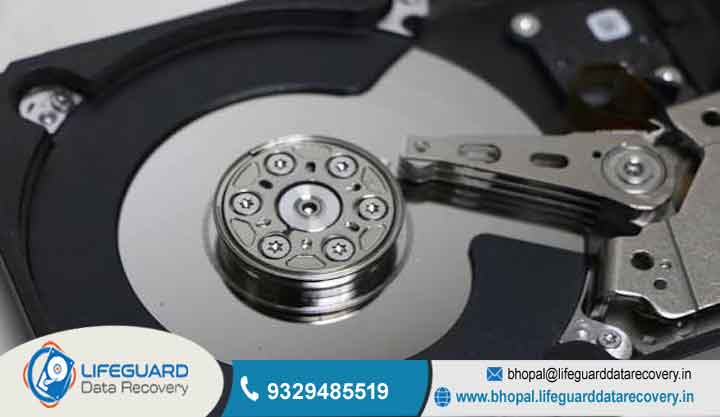
ISO-Certified Cleanrooms: Physical recovery of damaged hard drives often requires opening the media enclosure. This must take place inside an ISO-rated cleanroom (typically ISO Class 5 or Class 6) to eliminate airborne particulate contamination that can permanently scratch magnetic platters.
Chain of Custody Tracking: Every device entering a high-security facility receives a unique tracking identifier. Comprehensive digital and physical logs document every individual who handles, diagnoses, or works on the equipment.
Air-Gapped Workstations: To prevent potential data leaks or remote interception, advanced recovery tools and diagnostic systems operate on completely isolated, air-gapped local networks that have zero connection to the public internet.
Media-Specific Security: Securing Hard Drives, SSDs, and Servers
Modern digital infrastructure relies on diverse storage architectures, each presenting distinct technical and security challenges during a failure event.
Flash and Solid-State Security Protocols
Executing secure SSD data recovery UAE operations demands specialized cryptographic knowledge. Unlike traditional spinning disks, Solid State Drives utilize complex controller chips, wear-leveling algorithms, and hardware-level encryption (such as TCG Opal standards).
Enterprise Infrastructure and Network Environments
When large-scale storage hardware fails within corporate networks, the stakes multiply exponentially. Implementing secure server data recovery UAE involves extracting data from multi-terabyte virtualized environments, database clusters, and cloud-linked repositories.
Professional facilities executing confidential server recovery UAE utilize secure extraction algorithms that rebuild logical volumes block by block, ensuring that relational database integrity remains uncompromised and accessible only to authorized corporate stakeholders.
Protecting Corporate and Enterprise Information Assets
For organizations operating within the Emirates, data loss can intersect with rigorous regulatory requirements, including the UAE Personal Data Protection Law (PDPL) and sector-specific cybersecurity mandates set by authorities like the UAE Cybersecurity Council.
Governance and Compliance in Business Data Recovery UAE
When executing corporate data recovery UAE, providers must operate in strict alignment with domestic privacy regulations. Whether managing sensitive financial transactions or proprietary corporate communications, enterprise data recovery UAE workflows require documented due diligence to ensure that the recovery process itself does not trigger an accidental data breach or regulatory non-compliance penalty.
Managing Complex Multi-Drive Arrays and Encrypted Volumes
RAID Security: Executing secure RAID data recovery UAE involves reconstructing striped or mirrored array logic across multiple drives. Because RAID setups typically house entire corporate networks or client databases, confidential RAID recovery UAE protocols ensure that array metadata and file allocation tables are re-assembled without exposing raw corporate records to unauthorized personnel.
Cryptographic Handling: Dealing with encrypted data recovery UAE cases—such as volumes locked behind BitLocker, FileVault, or corporate-grade software encryption—requires careful handling of digital keys, metadata headers, and recovery certificates to restore readability without breaking security architecture.
Essential Protocols for Laptops, Personal Files, and Remote Work Environments
Data loss is not restricted to server racks and enterprise data centers. Individual executives, remote employees, and field professionals frequently experience localized device failures that house confidential executive communications or proprietary work files.
Executing secure laptop data recovery UAE and confidential file recovery UAE ensures that personal workstations, business-critical notebooks, and portable media are handled with the same rigor applied to enterprise servers. This includes secure bit-stream imaging and immediate wiping of temporary recovery partitions once the client signs off on successful restoration.
What to Look for in a Trusted UAE Recovery Provider (Evaluation Checklist)
When evaluating a data recovery partner for sensitive operations, organizations should look for specific trust and security indicators:
Binding Legal Frameworks: Insist on mutual Non-Disclosure Agreements (NDAs) that carry legal weight within UAE jurisdiction.
Transparent Facility Access: Verify whether the provider maintains physical on-site cleanrooms within the UAE rather than outsourcing sensitive media across international borders.
Post-Recovery Data Wiping: Ensure the provider adheres to strict data retention limits, permanently destroying all working clones, temporary images, and recovered file copies from their local servers immediately following client delivery.
Immediate Steps to Take When Sensitive Data is Lost
Halt All Disk Writes Immediately: Do not attempt to install software, run operating system updates, or write new files to the affected storage media.
Power Down Safely: If a drive exhibits clicking noises, burning odors, or sudden unresponsiveness, cut the power supply immediately to prevent further physical damage to internal components.
Avoid Consumer Recovery Software: Refrain from running unverified DIY data recovery tools on encrypted or enterprise-grade drives, as these programs can overwrite critical metadata required by professional labs.
Document the Failure: Record error codes, system messages, and the timeline of events leading up to the data loss to assist security auditors and recovery engineers.
Frequently Asked Questions (FAQs)
What is a cleanroom, and why is it mandatory for physical drive repair?
It is mandatory because opening a hard drive’s internal enclosure in a standard room allows microscopic dust particles to settle on the magnetic platters, causing permanent scratches and total data destruction upon power-up.
How long does a confidential enterprise data recovery process take in the UAE?
Timelines vary based on the complexity of the media. Standard diagnostics typically take 24 to 48 hours, while complex multi-drive RAID arrays or severely damaged server architectures may require several days of specialized engineering work.
What happens to my recovered data after the project is completed?
Reputable secure data recovery providers enforce strict data retention policies, securely wiping all temporary clones, sector images, and recovered files from their local storage systems shortly after successful client handover and verification.
Does utilizing a data recovery service in the UAE comply with local data protection regulations like the UAE PDPL?
Yes, professional data recovery providers operating in the UAE align their operational frameworks with the UAE Personal Data Protection Law (PDPL) and relevant cybersecurity mandates. By utilizing strict Non-Disclosure Agreements, secure chain-of-custody logs, and controlled handling procedures, these services ensure that processing personal or corporate data during recovery remains fully compliant with domestic regulatory standards.
Is my sensitive media ever shipped outside the UAE for advanced repairs or component replacement?
Reputable enterprise data recovery providers in the UAE maintain fully equipped, on-site ISO-certified cleanrooms and specialized engineering labs locally. This ensures that sensitive corporate servers, encrypted SSDs, and private storage media never cross international borders, mitigating the security risks associated with cross-border data transit and offshore outsourcing.


